Mayane Resilience Center: video campaign on flood diagnosis
Mayane Resilience Center: video campaign on flood diagnosis
Mayane Resilience Center: video campaign on flood diagnosis
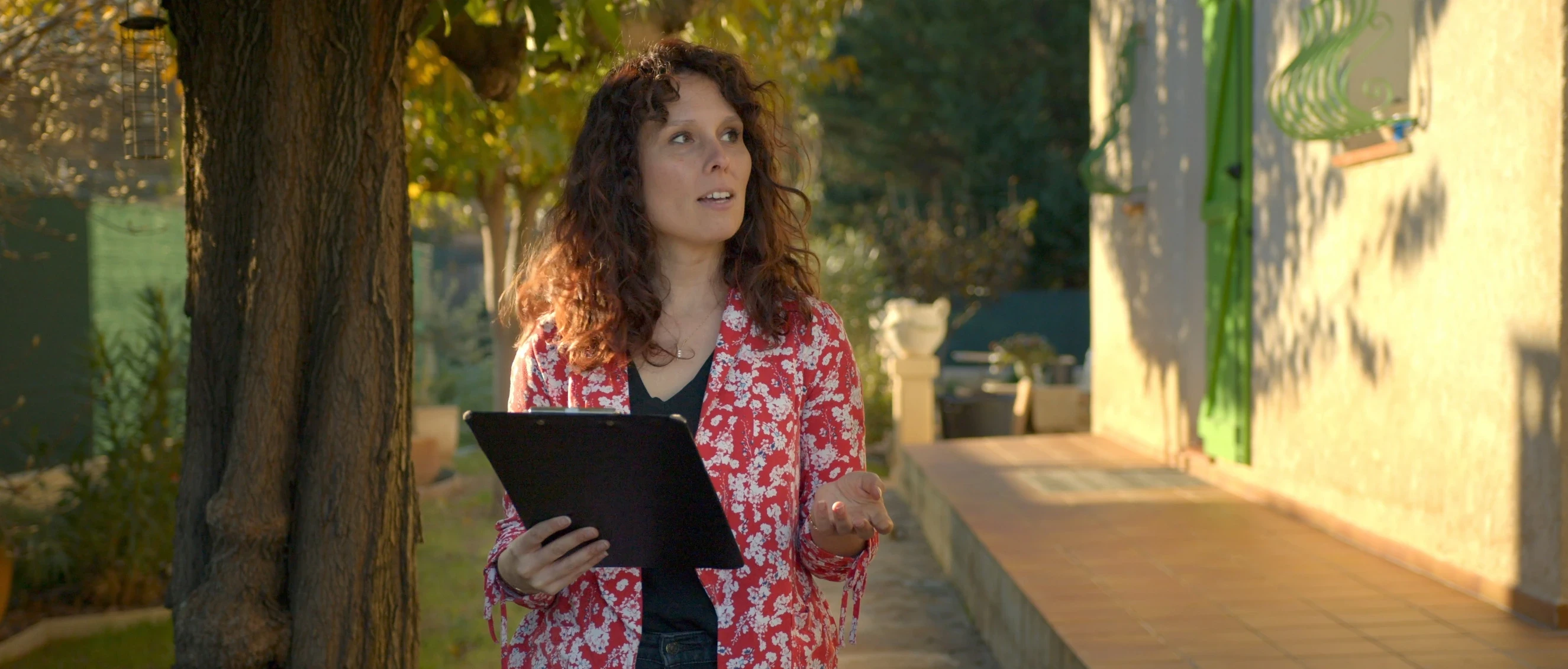
Making the vulnerability diagnosis regarding the risk of floods visible and understandable is part of the ALABRI system. Shogun Pictures handled the filming, interviews, sound recording, and color grading to transform technical information into a clear narrative, useful for prevention and reusable by various audiences (residents, elected officials, local technicians). In two days of shooting around Fréjus, followed by five days of post-production, we created an educational film that follows the logic of the field: observation → method → concrete actions. This page details the context, methodology, and deliverables of how a awareness project becomes an operational tool.
Presentation of Mayane Resilience Center
History & mission
Mayane Resilience Center operates within a framework of applied research and support for territories exposed to natural hazards, particularly floods. Its mission is to observe, evaluate and recommend prevention actions to reduce the vulnerability of people and property by disseminating the right information at the right time. The approach combines scientific expertise, feedback from experience, and dissemination formats tailored to the audiences (citizens, decision-makers, technical services).
Location & systems
The center deploys mobile teams and proven tools to conduct diagnostics for individuals, communities, and economic actors. The ALABRI system, presented on the official site (alabri-argens.com), offers home diagnostics to assess vulnerability and prioritize effective actions: simple adjustments, appropriate behaviors, mitigation equipment, etc. Contextual benchmarks: on a national scale, the company Mayane communicates significant magnitudes (several tens of thousands of diagnostics and hundreds of supported communities), illustrating the operational grounding of these research and prevention initiatives.
Objectives & framework of the video project
Target audiences & uses of information
From the outset, we structured the project around three simple objectives:
Document a diagnostic (ALABRI) in a truthful and comprehensible manner
Educate on the steps to reduce vulnerability to water and flood risk
Easily disseminate to multiple audiences (citizens, elected officials, technical services), across territorial channels (networks, sites, meetings).
The guiding idea: convert research and field feedback into actionable information. The film needed to remain clear, concrete, and modular, to serve various uses (public meetings, social media of the communities, intranet, institutional sites).
Useful references (ALABRI context)
To situate the reader, here are a few practical data points without burdening the narrative:
A home diagnostic generally lasts 1 to 2 hours.
Some vulnerability reduction works can be financed up to 80% (Barnier Fund), with possible local supplements depending on the territory. These benchmarks provide a concrete framework for prevention and clarify the transition from diagnosis to actions.
Methodology for execution (Preparation → Shooting → Post-production)
Preparation (editorial framing & scouting)
We started with a tight framing to ensure readability and consistency:
Interview guides: key messages, sequences, prompts for short and cumulative answers
Micro-storyboard: controlled alternation between field diagnostic, testimonials, and illustrative shots
Roadmap: access, circulation, noise, light → homogeneity of rendering and listening comfort.
Benefit: we know which actions to show, how to explain them, and which audiences to address.
Shooting (2 days in the field)
8 guided interviews (experts, operational staff, witnesses) to embody the approach and contextualize the risk;
Targeted cutaway shots focusing on technical gestures (measurements, markers, exchanges) to materialize the diagnostic and its concrete actions
Careful sound recording and fine light management to ensure clarity and visual consistency.
The pacing favors a clear rhythm: observation → method → actions. This structure helps each audience distinguish between individual and collective prevention and situate priorities.
Post-production (4 days of editing + 1 day of mixing)
Editing: rushes, editorial architecture, useful titles (definitions, steps of the diagnostic, recommendations)
Color grading: color harmony, contrast, and readable mood for a homogeneous rendering that serves the purpose
Audio mixing: cleaning, balance of voice/ambient sounds, overall coherence for comfortable listening.
From scouting to final editing, this value chain ensures a coherent, durable result ready for multi-platform distribution.
Deliverables, dissemination & impact
Exports, accessibility & online publication
We delivered:
5 independent segments (web masters adapted for YouTube): Diagnostic, Installation, ITW individual, ITW professional, Cutaway shots
Each part was logged, edited, and color graded by us, then sent separately so that Mayane could conduct the final editing internally according to its needs.
👉 See the video: YouTube – Mayane Resilience Center (flood diagnostics): https://www.youtube.com/watch?v=vOeSnzcdySk&t=3s
This block-based organization extends the lifecycle of the project: the same shoot informs multiple uses (information, prevention, internal support), while offering editorial flexibility and rapid deployment on the channels of the territories and their partners.
What it changes for territories
Accelerated understanding: in a few minutes, an elected official, a technician, or a local resident understands the diagnostic, the risk of floods, and the actions that reduce vulnerability;
Ownership of actions: small decisions (adjustments, checks, behaviors) that, when added together, improve a territory's resilience;
Simple reuse: long and short versions for meetings, websites, newsletters, and networks without relaunching a project each time.
By combining interviews, field scenes, and careful post-production, we transform a complex subject into an accessible narrative. By precisely showing what Mayane does (and, more broadly, the Resilience Center logic), we move from principle to practice: prevention becomes a set of concrete, visible, and transferable actions for various audiences.
Next steps & opening
Beyond ALABRI, this methodology can adapt to other themes (environment, health, safety, industry, culture). The challenge remains the same: to convert expertise and research into clear, actionable, and sustainable content. For territories at risk or organizations communicating on sensitive issues, the framework observation → method → actions secures understanding and facilitates engagement.
Are you preparing a communication campaign or an educational film, regardless of the subject (environment, health, safety, industry, culture, natural risks…)? We can frame a tailor-made project (objectives, timeline, deliverables, dissemination) and transform your expertise into clear, engaging, and useful content for your audiences.
Making the vulnerability diagnosis regarding the risk of floods visible and understandable is part of the ALABRI system. Shogun Pictures handled the filming, interviews, sound recording, and color grading to transform technical information into a clear narrative, useful for prevention and reusable by various audiences (residents, elected officials, local technicians). In two days of shooting around Fréjus, followed by five days of post-production, we created an educational film that follows the logic of the field: observation → method → concrete actions. This page details the context, methodology, and deliverables of how a awareness project becomes an operational tool.
Presentation of Mayane Resilience Center
History & mission
Mayane Resilience Center operates within a framework of applied research and support for territories exposed to natural hazards, particularly floods. Its mission is to observe, evaluate and recommend prevention actions to reduce the vulnerability of people and property by disseminating the right information at the right time. The approach combines scientific expertise, feedback from experience, and dissemination formats tailored to the audiences (citizens, decision-makers, technical services).
Location & systems
The center deploys mobile teams and proven tools to conduct diagnostics for individuals, communities, and economic actors. The ALABRI system, presented on the official site (alabri-argens.com), offers home diagnostics to assess vulnerability and prioritize effective actions: simple adjustments, appropriate behaviors, mitigation equipment, etc. Contextual benchmarks: on a national scale, the company Mayane communicates significant magnitudes (several tens of thousands of diagnostics and hundreds of supported communities), illustrating the operational grounding of these research and prevention initiatives.
Objectives & framework of the video project
Target audiences & uses of information
From the outset, we structured the project around three simple objectives:
Document a diagnostic (ALABRI) in a truthful and comprehensible manner
Educate on the steps to reduce vulnerability to water and flood risk
Easily disseminate to multiple audiences (citizens, elected officials, technical services), across territorial channels (networks, sites, meetings).
The guiding idea: convert research and field feedback into actionable information. The film needed to remain clear, concrete, and modular, to serve various uses (public meetings, social media of the communities, intranet, institutional sites).
Useful references (ALABRI context)
To situate the reader, here are a few practical data points without burdening the narrative:
A home diagnostic generally lasts 1 to 2 hours.
Some vulnerability reduction works can be financed up to 80% (Barnier Fund), with possible local supplements depending on the territory. These benchmarks provide a concrete framework for prevention and clarify the transition from diagnosis to actions.
Methodology for execution (Preparation → Shooting → Post-production)
Preparation (editorial framing & scouting)
We started with a tight framing to ensure readability and consistency:
Interview guides: key messages, sequences, prompts for short and cumulative answers
Micro-storyboard: controlled alternation between field diagnostic, testimonials, and illustrative shots
Roadmap: access, circulation, noise, light → homogeneity of rendering and listening comfort.
Benefit: we know which actions to show, how to explain them, and which audiences to address.
Shooting (2 days in the field)
8 guided interviews (experts, operational staff, witnesses) to embody the approach and contextualize the risk;
Targeted cutaway shots focusing on technical gestures (measurements, markers, exchanges) to materialize the diagnostic and its concrete actions
Careful sound recording and fine light management to ensure clarity and visual consistency.
The pacing favors a clear rhythm: observation → method → actions. This structure helps each audience distinguish between individual and collective prevention and situate priorities.
Post-production (4 days of editing + 1 day of mixing)
Editing: rushes, editorial architecture, useful titles (definitions, steps of the diagnostic, recommendations)
Color grading: color harmony, contrast, and readable mood for a homogeneous rendering that serves the purpose
Audio mixing: cleaning, balance of voice/ambient sounds, overall coherence for comfortable listening.
From scouting to final editing, this value chain ensures a coherent, durable result ready for multi-platform distribution.
Deliverables, dissemination & impact
Exports, accessibility & online publication
We delivered:
5 independent segments (web masters adapted for YouTube): Diagnostic, Installation, ITW individual, ITW professional, Cutaway shots
Each part was logged, edited, and color graded by us, then sent separately so that Mayane could conduct the final editing internally according to its needs.
👉 See the video: YouTube – Mayane Resilience Center (flood diagnostics): https://www.youtube.com/watch?v=vOeSnzcdySk&t=3s
This block-based organization extends the lifecycle of the project: the same shoot informs multiple uses (information, prevention, internal support), while offering editorial flexibility and rapid deployment on the channels of the territories and their partners.
What it changes for territories
Accelerated understanding: in a few minutes, an elected official, a technician, or a local resident understands the diagnostic, the risk of floods, and the actions that reduce vulnerability;
Ownership of actions: small decisions (adjustments, checks, behaviors) that, when added together, improve a territory's resilience;
Simple reuse: long and short versions for meetings, websites, newsletters, and networks without relaunching a project each time.
By combining interviews, field scenes, and careful post-production, we transform a complex subject into an accessible narrative. By precisely showing what Mayane does (and, more broadly, the Resilience Center logic), we move from principle to practice: prevention becomes a set of concrete, visible, and transferable actions for various audiences.
Next steps & opening
Beyond ALABRI, this methodology can adapt to other themes (environment, health, safety, industry, culture). The challenge remains the same: to convert expertise and research into clear, actionable, and sustainable content. For territories at risk or organizations communicating on sensitive issues, the framework observation → method → actions secures understanding and facilitates engagement.
Are you preparing a communication campaign or an educational film, regardless of the subject (environment, health, safety, industry, culture, natural risks…)? We can frame a tailor-made project (objectives, timeline, deliverables, dissemination) and transform your expertise into clear, engaging, and useful content for your audiences.
Making the vulnerability diagnosis regarding the risk of floods visible and understandable is part of the ALABRI system. Shogun Pictures handled the filming, interviews, sound recording, and color grading to transform technical information into a clear narrative, useful for prevention and reusable by various audiences (residents, elected officials, local technicians). In two days of shooting around Fréjus, followed by five days of post-production, we created an educational film that follows the logic of the field: observation → method → concrete actions. This page details the context, methodology, and deliverables of how a awareness project becomes an operational tool.
Presentation of Mayane Resilience Center
History & mission
Mayane Resilience Center operates within a framework of applied research and support for territories exposed to natural hazards, particularly floods. Its mission is to observe, evaluate and recommend prevention actions to reduce the vulnerability of people and property by disseminating the right information at the right time. The approach combines scientific expertise, feedback from experience, and dissemination formats tailored to the audiences (citizens, decision-makers, technical services).
Location & systems
The center deploys mobile teams and proven tools to conduct diagnostics for individuals, communities, and economic actors. The ALABRI system, presented on the official site (alabri-argens.com), offers home diagnostics to assess vulnerability and prioritize effective actions: simple adjustments, appropriate behaviors, mitigation equipment, etc. Contextual benchmarks: on a national scale, the company Mayane communicates significant magnitudes (several tens of thousands of diagnostics and hundreds of supported communities), illustrating the operational grounding of these research and prevention initiatives.
Objectives & framework of the video project
Target audiences & uses of information
From the outset, we structured the project around three simple objectives:
Document a diagnostic (ALABRI) in a truthful and comprehensible manner
Educate on the steps to reduce vulnerability to water and flood risk
Easily disseminate to multiple audiences (citizens, elected officials, technical services), across territorial channels (networks, sites, meetings).
The guiding idea: convert research and field feedback into actionable information. The film needed to remain clear, concrete, and modular, to serve various uses (public meetings, social media of the communities, intranet, institutional sites).
Useful references (ALABRI context)
To situate the reader, here are a few practical data points without burdening the narrative:
A home diagnostic generally lasts 1 to 2 hours.
Some vulnerability reduction works can be financed up to 80% (Barnier Fund), with possible local supplements depending on the territory. These benchmarks provide a concrete framework for prevention and clarify the transition from diagnosis to actions.
Methodology for execution (Preparation → Shooting → Post-production)
Preparation (editorial framing & scouting)
We started with a tight framing to ensure readability and consistency:
Interview guides: key messages, sequences, prompts for short and cumulative answers
Micro-storyboard: controlled alternation between field diagnostic, testimonials, and illustrative shots
Roadmap: access, circulation, noise, light → homogeneity of rendering and listening comfort.
Benefit: we know which actions to show, how to explain them, and which audiences to address.
Shooting (2 days in the field)
8 guided interviews (experts, operational staff, witnesses) to embody the approach and contextualize the risk;
Targeted cutaway shots focusing on technical gestures (measurements, markers, exchanges) to materialize the diagnostic and its concrete actions
Careful sound recording and fine light management to ensure clarity and visual consistency.
The pacing favors a clear rhythm: observation → method → actions. This structure helps each audience distinguish between individual and collective prevention and situate priorities.
Post-production (4 days of editing + 1 day of mixing)
Editing: rushes, editorial architecture, useful titles (definitions, steps of the diagnostic, recommendations)
Color grading: color harmony, contrast, and readable mood for a homogeneous rendering that serves the purpose
Audio mixing: cleaning, balance of voice/ambient sounds, overall coherence for comfortable listening.
From scouting to final editing, this value chain ensures a coherent, durable result ready for multi-platform distribution.
Deliverables, dissemination & impact
Exports, accessibility & online publication
We delivered:
5 independent segments (web masters adapted for YouTube): Diagnostic, Installation, ITW individual, ITW professional, Cutaway shots
Each part was logged, edited, and color graded by us, then sent separately so that Mayane could conduct the final editing internally according to its needs.
👉 See the video: YouTube – Mayane Resilience Center (flood diagnostics): https://www.youtube.com/watch?v=vOeSnzcdySk&t=3s
This block-based organization extends the lifecycle of the project: the same shoot informs multiple uses (information, prevention, internal support), while offering editorial flexibility and rapid deployment on the channels of the territories and their partners.
What it changes for territories
Accelerated understanding: in a few minutes, an elected official, a technician, or a local resident understands the diagnostic, the risk of floods, and the actions that reduce vulnerability;
Ownership of actions: small decisions (adjustments, checks, behaviors) that, when added together, improve a territory's resilience;
Simple reuse: long and short versions for meetings, websites, newsletters, and networks without relaunching a project each time.
By combining interviews, field scenes, and careful post-production, we transform a complex subject into an accessible narrative. By precisely showing what Mayane does (and, more broadly, the Resilience Center logic), we move from principle to practice: prevention becomes a set of concrete, visible, and transferable actions for various audiences.
Next steps & opening
Beyond ALABRI, this methodology can adapt to other themes (environment, health, safety, industry, culture). The challenge remains the same: to convert expertise and research into clear, actionable, and sustainable content. For territories at risk or organizations communicating on sensitive issues, the framework observation → method → actions secures understanding and facilitates engagement.
Are you preparing a communication campaign or an educational film, regardless of the subject (environment, health, safety, industry, culture, natural risks…)? We can frame a tailor-made project (objectives, timeline, deliverables, dissemination) and transform your expertise into clear, engaging, and useful content for your audiences.