Green screen shooting: supporting a live short film with 3D Montpellier
Green screen shooting: supporting a live short film with 3D Montpellier
Green screen shooting: supporting a live short film with 3D Montpellier
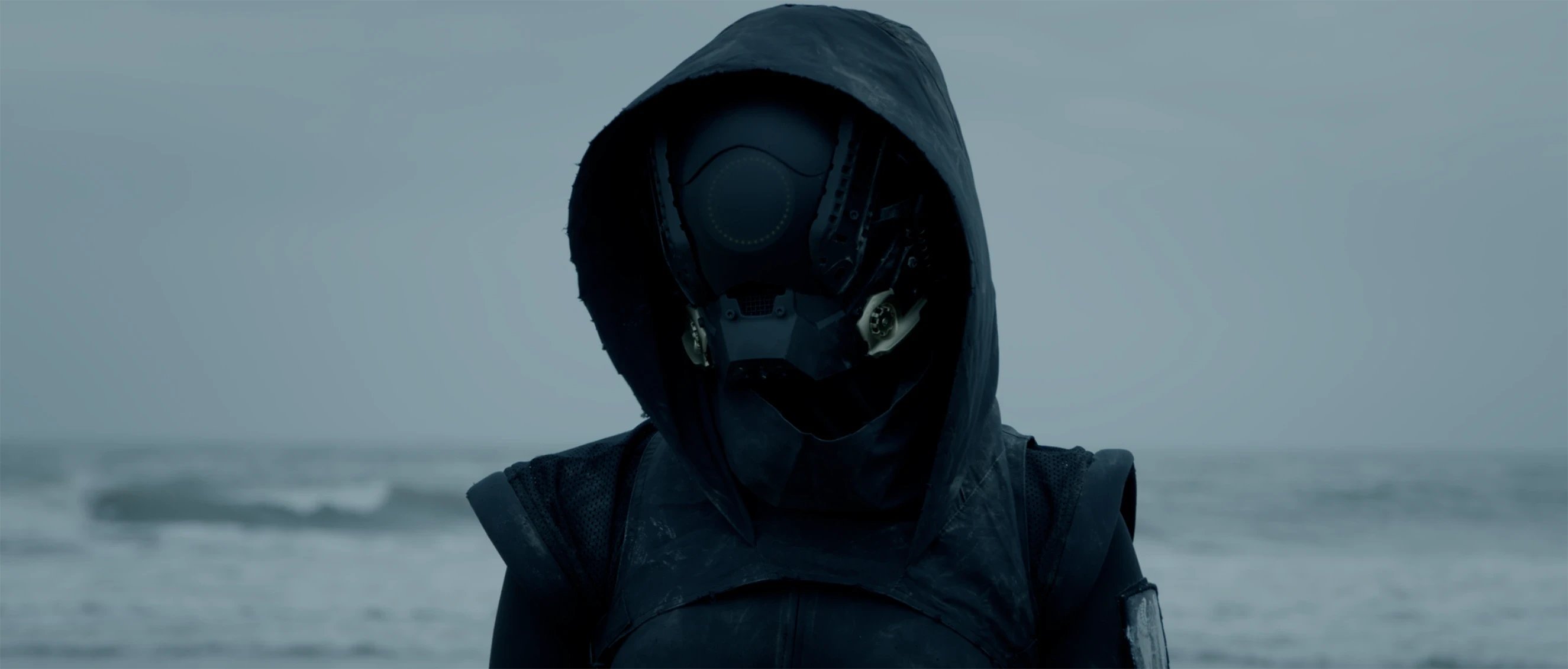
Green screen shooting is useful whenever a project needs to integrate a setting, special effects, or an image that does not yet exist at the time of filming. It allows a subject to be filmed in a controlled environment, then precisely replaces the background with a keying effect. But to achieve a credible result, it is not enough to simply have a uniform background in the studio: you also need to think about the light, color, shadows, the future set, and the constraints of compositing long before shoot day.
It is in this context that Shogun Pictures stepped in to assist the second-year students from Objectif 3D Montpellier, as a continuation of our previous collaboration with the school on the basics of 3D integration. Their goal: to create a live-action short film of about 1 minute 30, with real mise-en-scène challenges and upcoming visual effects. The project was initially conceived and developed by the students with their teacher Thibault Deltour. Our role came during a second phase, at the end of pre-production, to fine-tune certain aspects of the project, anticipate upcoming technical challenges, and adjust details with them regarding lighting, artistic direction, and visual consistency.
Live-action video production: an ambitious project for Objectif 3D Montpellier students
The concept of the second-year project
This type of project is particularly interesting, as it forces students to step out of a purely academic mindset and enter a much more concrete production environment. In 1 minute 30, they must establish an atmosphere, set a mood, direct a scene, anticipate the upcoming edit, and prepare shots that will later be reworked in compositing.
Even though Objectif 3D heavily trains students in image-related careers and various digital finishing specializations, it is crucial for them to understand how a real shoot works. Seeing a set, understanding the constraints of camera, lighting, backgrounds, costumes, or makeup allows them to far better anticipate their integration work and approach their future projects with a more complete vision.
Why this type of project is so educational
A live-action subject like this confronts them with multiple levels of difficulty at the same time:
building a credible visual universe
creating coherent direction and staging
anticipating upcoming special effects
connecting shoot requirements to compositing needs
understanding how every detail influences the quality of the final result
This is what makes live projects rich, but also challenging. As you can see, students must be capable of linking issues regarding the shoot, set, lighting, and software very early on to produce a coherent video.
Green screen shooting: our involvement from pre-production to the studio
Support over 10 days
Our guidance was spread out over 10 days. Since the project had already been launched by the students and their teacher, we got involved to refine what had been planned, challenge certain points, and help better anticipate the upcoming stages.
Concretely, our assistance covered:
the end of pre-production
1 full day of shooting at Espiguette
1 full day of shooting on green screen
assisting with footage review, shot selection, and rough editing
anticipating challenges related to the future live-action keying
This involvement thus had a double benefit: supporting the project's visual success, while also passing on to the students a more concrete understanding of the link between filming and compositing, in line with our approach to professional video creation.
Pre-production: laying the groundwork for a successful shoot
A major part of the work occurred before arriving on set. We helped think through:
future VFX shots
lighting consistency
the project's artistic direction
filming constraints
how the live-action shoot would interact with future digital additions
On a project combining live-action and VFX, green screen shooting is never planned in isolation. It must be connected to the future background, upcoming movements, expected shadows, the overall color of the shot, and the different types of images the students will have to process later.
Outdoor shoot at Espiguette
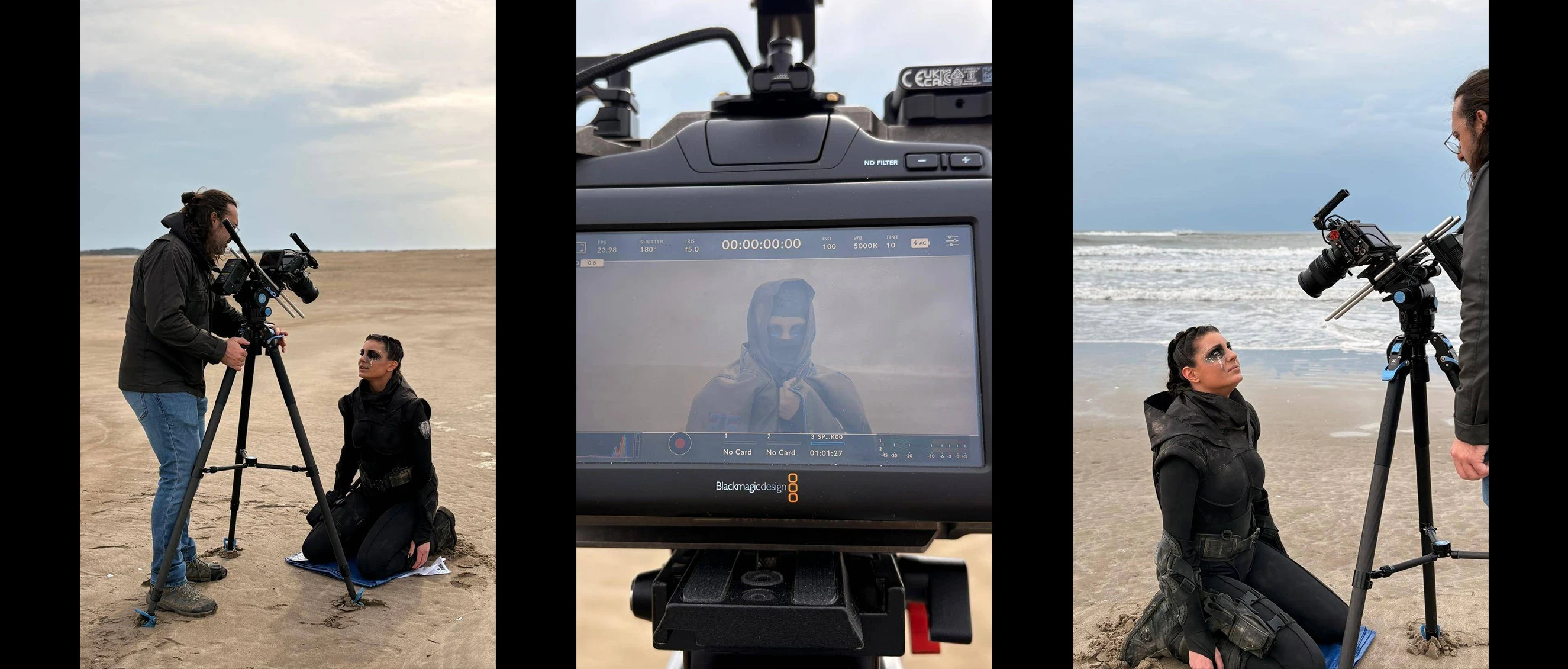
The day at Espiguette served to anchor the film in a strong visual reality. Shooting outdoors allowed the students to build a credible base for their universe while facing real-world constraints:
managing natural light
reading the space
character positioning within the frame
consistency with future videos
This step is important because it serves as a reminder that a live project is not built solely in front of a neutral backdrop. Reality remains the baseline for reading the film, and it is also what makes the integration more effective later on.
Filming at our premises
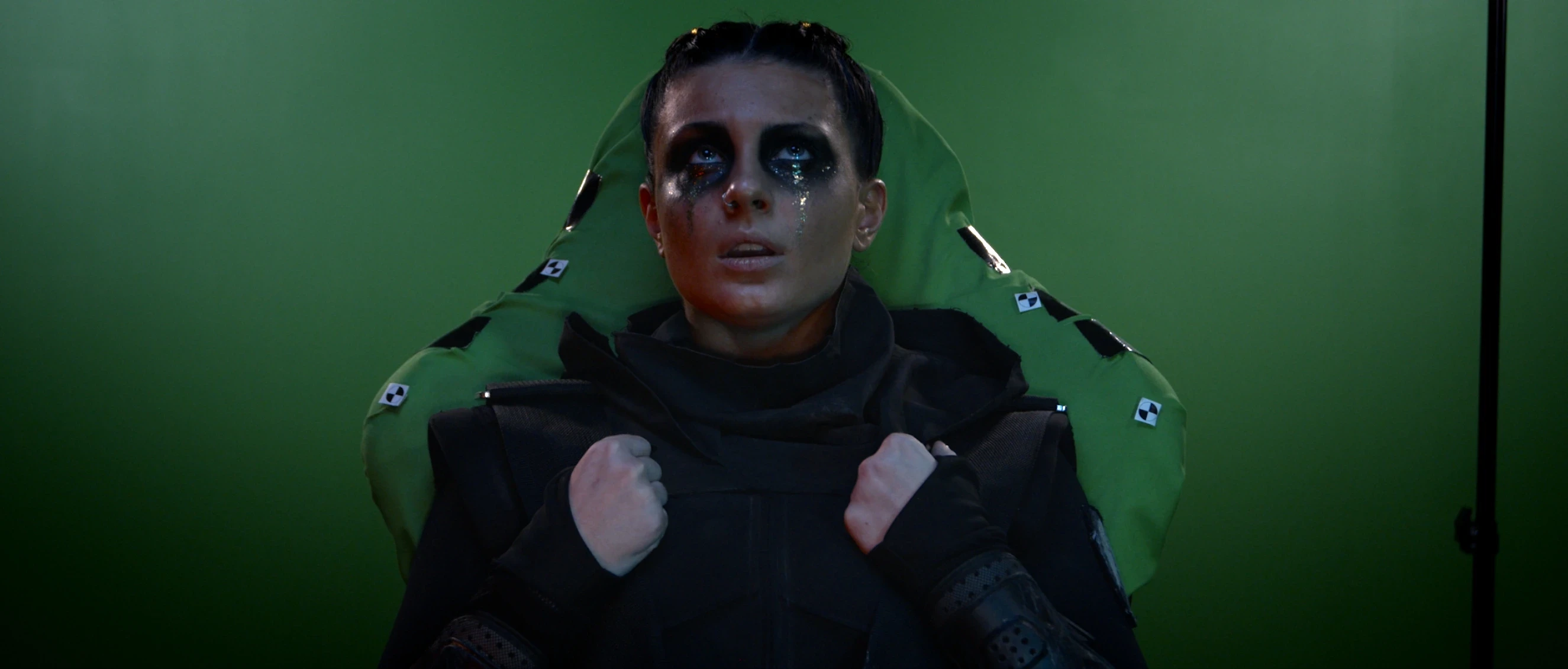
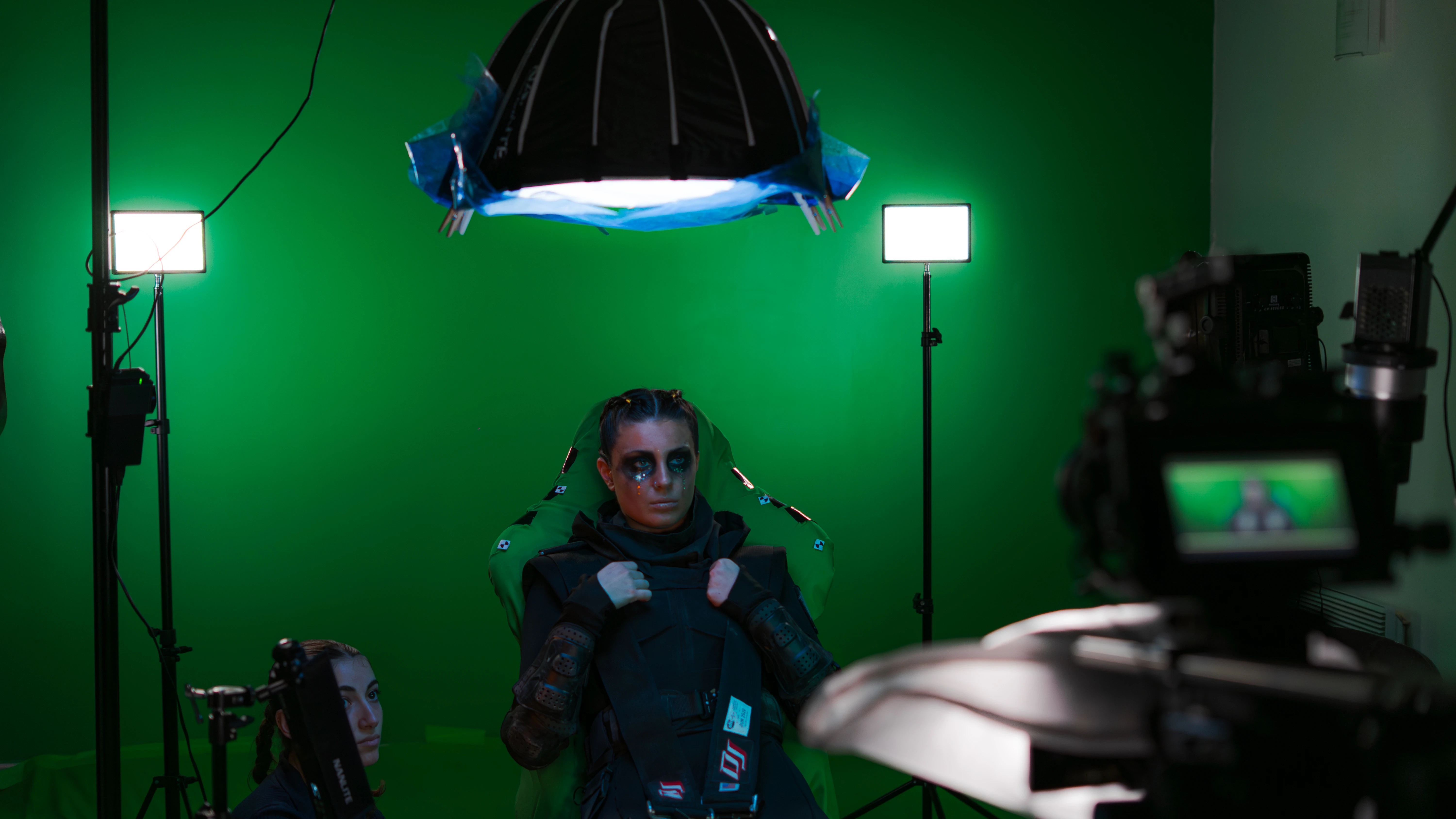
The day at our premises marked a key milestone in the project. It allowed us to set up the green screen shots, taking into account right from the shoot the future integration requirements, lighting consistency, and visual credibility.
In this context, several points require real attention:
a sufficiently smooth and homogeneous background
clean and well-distributed lighting
good separation between the subject and the background
controlled shadows
lighting consistent with the future universe
Green screen offers a huge range of possibilities, but it also makes the project more demanding. The cleaner the baseline footage, the smoother the rest of the workflow. In some cases, a blue screen can be a better choice depending on costume color or the presence of green in the image. Here, green remained the most relevant choice, but it is important for students to also understand when to use blue.
Keying, lighting, and effects: the project's primary challenges
Building a credible character
For their character, the students had to create their own costume from a jumpsuit, back protector, boots, and various other objects found or adapted. This creative work has a direct impact on how the image is read, the way light reacts, and the credibility of the character once integrated into their final universe.
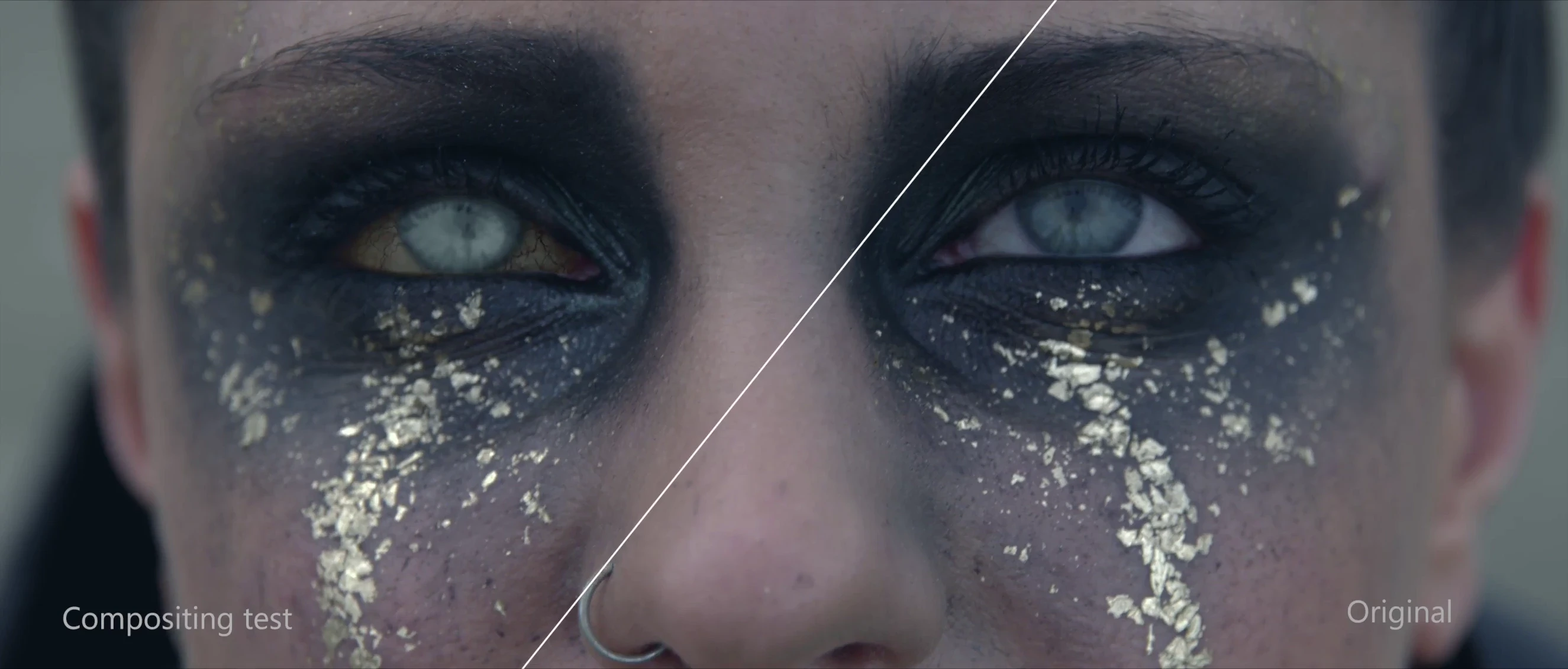
Makeup was also subject to real preparatory work. The students took lessons to recreate a look consistent with their universe. Skin, tones, textures, and contrast all play a role in the success of the keying.
Anticipating visual effects right from the shoot
The major challenge of the project remains the ship that needs to emerge from the water in several shots. This type of video requires anticipating very early on:
light direction
the presence of caustics
the realism of the future environment
the behavior of shadows
consistency between the real footage and future special effects
In other words, the set must already contain visual clues of the world that will be created later. This is exactly why preparation is so important. On this type of scene, a good result depends as much on the quality of the shoot as on future choices in software, editing, and compositing.
Helpful support for compositing / lighting students
During the shooting day, some students specializing in compositing and lighting also attended targeted sessions focusing on concepts directly useful for their project:
2D tracking
smart vectors
texture projection
The idea was not to multiply software demonstrations or go into overly complex methodologies, but to give them a solid foundation, simple reference points, and advice directly applicable to their own film. As you can see, the goal was to provide them with a clear, immediately usable method, with both a technical and practical perspective.
Choice of background, lighting, and quality: what this project demonstrates
Green screen begins before the studio
This project shows that a good shoot is not limited to filming a subject in front of a uniform background. It starts in pre-production, in the way search and project planning are handled, anticipating difficulties, and linking the shoot to the future stages of digital work.
A live-action project requires a global vision
Production, filming, and compositing are not three separate blocks. They constantly influence one another. If the background is poorly lit, if shadows are inconsistent, or if the color of the set does not match the future environment, then the quality of the keying suffers.
Our role with Objectif 3D Montpellier
By accompanying the students of Objectif 3D Montpellier, our goal was not to replace their process, but to bring an external, professional perspective, and help them better link their artistic intentions to the technical reality of live-action filming.
This project perfectly illustrates our expertise at Shogun Pictures in audiovisual production and VFX: stepping in at the right time, helping to anticipate, securing key decisions, and passing on a way of thinking about a VFX project as a whole. This is also why this collaboration with Objectif 3D is built for the long term.
Green screen shooting is useful whenever a project needs to integrate a setting, special effects, or an image that does not yet exist at the time of filming. It allows a subject to be filmed in a controlled environment, then precisely replaces the background with a keying effect. But to achieve a credible result, it is not enough to simply have a uniform background in the studio: you also need to think about the light, color, shadows, the future set, and the constraints of compositing long before shoot day.
It is in this context that Shogun Pictures stepped in to assist the second-year students from Objectif 3D Montpellier, as a continuation of our previous collaboration with the school on the basics of 3D integration. Their goal: to create a live-action short film of about 1 minute 30, with real mise-en-scène challenges and upcoming visual effects. The project was initially conceived and developed by the students with their teacher Thibault Deltour. Our role came during a second phase, at the end of pre-production, to fine-tune certain aspects of the project, anticipate upcoming technical challenges, and adjust details with them regarding lighting, artistic direction, and visual consistency.
Live-action video production: an ambitious project for Objectif 3D Montpellier students
The concept of the second-year project
This type of project is particularly interesting, as it forces students to step out of a purely academic mindset and enter a much more concrete production environment. In 1 minute 30, they must establish an atmosphere, set a mood, direct a scene, anticipate the upcoming edit, and prepare shots that will later be reworked in compositing.
Even though Objectif 3D heavily trains students in image-related careers and various digital finishing specializations, it is crucial for them to understand how a real shoot works. Seeing a set, understanding the constraints of camera, lighting, backgrounds, costumes, or makeup allows them to far better anticipate their integration work and approach their future projects with a more complete vision.
Why this type of project is so educational
A live-action subject like this confronts them with multiple levels of difficulty at the same time:
building a credible visual universe
creating coherent direction and staging
anticipating upcoming special effects
connecting shoot requirements to compositing needs
understanding how every detail influences the quality of the final result
This is what makes live projects rich, but also challenging. As you can see, students must be capable of linking issues regarding the shoot, set, lighting, and software very early on to produce a coherent video.
Green screen shooting: our involvement from pre-production to the studio
Support over 10 days
Our guidance was spread out over 10 days. Since the project had already been launched by the students and their teacher, we got involved to refine what had been planned, challenge certain points, and help better anticipate the upcoming stages.
Concretely, our assistance covered:
the end of pre-production
1 full day of shooting at Espiguette
1 full day of shooting on green screen
assisting with footage review, shot selection, and rough editing
anticipating challenges related to the future live-action keying
This involvement thus had a double benefit: supporting the project's visual success, while also passing on to the students a more concrete understanding of the link between filming and compositing, in line with our approach to professional video creation.
Pre-production: laying the groundwork for a successful shoot
A major part of the work occurred before arriving on set. We helped think through:
future VFX shots
lighting consistency
the project's artistic direction
filming constraints
how the live-action shoot would interact with future digital additions
On a project combining live-action and VFX, green screen shooting is never planned in isolation. It must be connected to the future background, upcoming movements, expected shadows, the overall color of the shot, and the different types of images the students will have to process later.
Outdoor shoot at Espiguette
The day at Espiguette served to anchor the film in a strong visual reality. Shooting outdoors allowed the students to build a credible base for their universe while facing real-world constraints:
managing natural light
reading the space
character positioning within the frame
consistency with future videos
This step is important because it serves as a reminder that a live project is not built solely in front of a neutral backdrop. Reality remains the baseline for reading the film, and it is also what makes the integration more effective later on.
Filming at our premises
The day at our premises marked a key milestone in the project. It allowed us to set up the green screen shots, taking into account right from the shoot the future integration requirements, lighting consistency, and visual credibility.
In this context, several points require real attention:
a sufficiently smooth and homogeneous background
clean and well-distributed lighting
good separation between the subject and the background
controlled shadows
lighting consistent with the future universe
Green screen offers a huge range of possibilities, but it also makes the project more demanding. The cleaner the baseline footage, the smoother the rest of the workflow. In some cases, a blue screen can be a better choice depending on costume color or the presence of green in the image. Here, green remained the most relevant choice, but it is important for students to also understand when to use blue.
Keying, lighting, and effects: the project's primary challenges
Building a credible character
For their character, the students had to create their own costume from a jumpsuit, back protector, boots, and various other objects found or adapted. This creative work has a direct impact on how the image is read, the way light reacts, and the credibility of the character once integrated into their final universe.
Makeup was also subject to real preparatory work. The students took lessons to recreate a look consistent with their universe. Skin, tones, textures, and contrast all play a role in the success of the keying.
Anticipating visual effects right from the shoot
The major challenge of the project remains the ship that needs to emerge from the water in several shots. This type of video requires anticipating very early on:
light direction
the presence of caustics
the realism of the future environment
the behavior of shadows
consistency between the real footage and future special effects
In other words, the set must already contain visual clues of the world that will be created later. This is exactly why preparation is so important. On this type of scene, a good result depends as much on the quality of the shoot as on future choices in software, editing, and compositing.
Helpful support for compositing / lighting students
During the shooting day, some students specializing in compositing and lighting also attended targeted sessions focusing on concepts directly useful for their project:
2D tracking
smart vectors
texture projection
The idea was not to multiply software demonstrations or go into overly complex methodologies, but to give them a solid foundation, simple reference points, and advice directly applicable to their own film. As you can see, the goal was to provide them with a clear, immediately usable method, with both a technical and practical perspective.
Choice of background, lighting, and quality: what this project demonstrates
Green screen begins before the studio
This project shows that a good shoot is not limited to filming a subject in front of a uniform background. It starts in pre-production, in the way search and project planning are handled, anticipating difficulties, and linking the shoot to the future stages of digital work.
A live-action project requires a global vision
Production, filming, and compositing are not three separate blocks. They constantly influence one another. If the background is poorly lit, if shadows are inconsistent, or if the color of the set does not match the future environment, then the quality of the keying suffers.
Our role with Objectif 3D Montpellier
By accompanying the students of Objectif 3D Montpellier, our goal was not to replace their process, but to bring an external, professional perspective, and help them better link their artistic intentions to the technical reality of live-action filming.
This project perfectly illustrates our expertise at Shogun Pictures in audiovisual production and VFX: stepping in at the right time, helping to anticipate, securing key decisions, and passing on a way of thinking about a VFX project as a whole. This is also why this collaboration with Objectif 3D is built for the long term.
Green screen shooting is useful whenever a project needs to integrate a setting, special effects, or an image that does not yet exist at the time of filming. It allows a subject to be filmed in a controlled environment, then precisely replaces the background with a keying effect. But to achieve a credible result, it is not enough to simply have a uniform background in the studio: you also need to think about the light, color, shadows, the future set, and the constraints of compositing long before shoot day.
It is in this context that Shogun Pictures stepped in to assist the second-year students from Objectif 3D Montpellier, as a continuation of our previous collaboration with the school on the basics of 3D integration. Their goal: to create a live-action short film of about 1 minute 30, with real mise-en-scène challenges and upcoming visual effects. The project was initially conceived and developed by the students with their teacher Thibault Deltour. Our role came during a second phase, at the end of pre-production, to fine-tune certain aspects of the project, anticipate upcoming technical challenges, and adjust details with them regarding lighting, artistic direction, and visual consistency.
Live-action video production: an ambitious project for Objectif 3D Montpellier students
The concept of the second-year project
This type of project is particularly interesting, as it forces students to step out of a purely academic mindset and enter a much more concrete production environment. In 1 minute 30, they must establish an atmosphere, set a mood, direct a scene, anticipate the upcoming edit, and prepare shots that will later be reworked in compositing.
Even though Objectif 3D heavily trains students in image-related careers and various digital finishing specializations, it is crucial for them to understand how a real shoot works. Seeing a set, understanding the constraints of camera, lighting, backgrounds, costumes, or makeup allows them to far better anticipate their integration work and approach their future projects with a more complete vision.
Why this type of project is so educational
A live-action subject like this confronts them with multiple levels of difficulty at the same time:
building a credible visual universe
creating coherent direction and staging
anticipating upcoming special effects
connecting shoot requirements to compositing needs
understanding how every detail influences the quality of the final result
This is what makes live projects rich, but also challenging. As you can see, students must be capable of linking issues regarding the shoot, set, lighting, and software very early on to produce a coherent video.
Green screen shooting: our involvement from pre-production to the studio
Support over 10 days
Our guidance was spread out over 10 days. Since the project had already been launched by the students and their teacher, we got involved to refine what had been planned, challenge certain points, and help better anticipate the upcoming stages.
Concretely, our assistance covered:
the end of pre-production
1 full day of shooting at Espiguette
1 full day of shooting on green screen
assisting with footage review, shot selection, and rough editing
anticipating challenges related to the future live-action keying
This involvement thus had a double benefit: supporting the project's visual success, while also passing on to the students a more concrete understanding of the link between filming and compositing, in line with our approach to professional video creation.
Pre-production: laying the groundwork for a successful shoot
A major part of the work occurred before arriving on set. We helped think through:
future VFX shots
lighting consistency
the project's artistic direction
filming constraints
how the live-action shoot would interact with future digital additions
On a project combining live-action and VFX, green screen shooting is never planned in isolation. It must be connected to the future background, upcoming movements, expected shadows, the overall color of the shot, and the different types of images the students will have to process later.
Outdoor shoot at Espiguette
The day at Espiguette served to anchor the film in a strong visual reality. Shooting outdoors allowed the students to build a credible base for their universe while facing real-world constraints:
managing natural light
reading the space
character positioning within the frame
consistency with future videos
This step is important because it serves as a reminder that a live project is not built solely in front of a neutral backdrop. Reality remains the baseline for reading the film, and it is also what makes the integration more effective later on.
Filming at our premises
The day at our premises marked a key milestone in the project. It allowed us to set up the green screen shots, taking into account right from the shoot the future integration requirements, lighting consistency, and visual credibility.
In this context, several points require real attention:
a sufficiently smooth and homogeneous background
clean and well-distributed lighting
good separation between the subject and the background
controlled shadows
lighting consistent with the future universe
Green screen offers a huge range of possibilities, but it also makes the project more demanding. The cleaner the baseline footage, the smoother the rest of the workflow. In some cases, a blue screen can be a better choice depending on costume color or the presence of green in the image. Here, green remained the most relevant choice, but it is important for students to also understand when to use blue.
Keying, lighting, and effects: the project's primary challenges
Building a credible character
For their character, the students had to create their own costume from a jumpsuit, back protector, boots, and various other objects found or adapted. This creative work has a direct impact on how the image is read, the way light reacts, and the credibility of the character once integrated into their final universe.
Makeup was also subject to real preparatory work. The students took lessons to recreate a look consistent with their universe. Skin, tones, textures, and contrast all play a role in the success of the keying.
Anticipating visual effects right from the shoot
The major challenge of the project remains the ship that needs to emerge from the water in several shots. This type of video requires anticipating very early on:
light direction
the presence of caustics
the realism of the future environment
the behavior of shadows
consistency between the real footage and future special effects
In other words, the set must already contain visual clues of the world that will be created later. This is exactly why preparation is so important. On this type of scene, a good result depends as much on the quality of the shoot as on future choices in software, editing, and compositing.
Helpful support for compositing / lighting students
During the shooting day, some students specializing in compositing and lighting also attended targeted sessions focusing on concepts directly useful for their project:
2D tracking
smart vectors
texture projection
The idea was not to multiply software demonstrations or go into overly complex methodologies, but to give them a solid foundation, simple reference points, and advice directly applicable to their own film. As you can see, the goal was to provide them with a clear, immediately usable method, with both a technical and practical perspective.
Choice of background, lighting, and quality: what this project demonstrates
Green screen begins before the studio
This project shows that a good shoot is not limited to filming a subject in front of a uniform background. It starts in pre-production, in the way search and project planning are handled, anticipating difficulties, and linking the shoot to the future stages of digital work.
A live-action project requires a global vision
Production, filming, and compositing are not three separate blocks. They constantly influence one another. If the background is poorly lit, if shadows are inconsistent, or if the color of the set does not match the future environment, then the quality of the keying suffers.
Our role with Objectif 3D Montpellier
By accompanying the students of Objectif 3D Montpellier, our goal was not to replace their process, but to bring an external, professional perspective, and help them better link their artistic intentions to the technical reality of live-action filming.
This project perfectly illustrates our expertise at Shogun Pictures in audiovisual production and VFX: stepping in at the right time, helping to anticipate, securing key decisions, and passing on a way of thinking about a VFX project as a whole. This is also why this collaboration with Objectif 3D is built for the long term.